That's really great idea - to make 1 minute video story about stem cells. I like it a lot:
Showing posts with label mesenchymal. Show all posts
Showing posts with label mesenchymal. Show all posts
9/01/2015

7/24/2015
Let's create useful application for cell culturing!
In previous post I've asked about the necessity of mobile application development.
Now let's talk more specific.
While working with cell cultures I always notice lots of possibilities to improve the performance and make all procedures easier and to avoid mistakes.
However sometimes it's really hard to manage all cell cultures and to have all data available anywhere anytime.
That's why once I found myself thinking about the creation of something handy, trendy and highly useful for people who need to spend lots of time in laboratory.
My current idea is to develop the application for smartphones that will simplify some routine steps in cell cultivation process.
I'm not an application developer and I don't have enough funding to hire a good one today. That is why I've launched the campaign for this goal. Moreover, I'd like to hear any comments, wishes and recommendations from both cell scientists and people who know how such stuff as mobile app development works. It's important because I'd like to give the most precise description of this task to engineers.
Here's the donation page
All features are still under construction but here are some crucial goals that I want to see in ready-to-use app:
Now let's talk more specific.
While working with cell cultures I always notice lots of possibilities to improve the performance and make all procedures easier and to avoid mistakes.
However sometimes it's really hard to manage all cell cultures and to have all data available anywhere anytime.
That's why once I found myself thinking about the creation of something handy, trendy and highly useful for people who need to spend lots of time in laboratory.
My current idea is to develop the application for smartphones that will simplify some routine steps in cell cultivation process.
I'm not an application developer and I don't have enough funding to hire a good one today. That is why I've launched the campaign for this goal. Moreover, I'd like to hear any comments, wishes and recommendations from both cell scientists and people who know how such stuff as mobile app development works. It's important because I'd like to give the most precise description of this task to engineers.
Here's the donation page
All features are still under construction but here are some crucial goals that I want to see in ready-to-use app:
- Interactive Journal with the opportunity to put data abot the culture: isolation day (for primary cultures), seeding day (for other), number and date of passage, medium used (chose from given options e.g.: MEM, DMEM, RPMI etc), serum used (type of serum and %, e.g.: FBS, 10%), medium additives presence such as glutamine, glucose etc, the initial number of cells, type of flask used and other nesessary characteristics.
- This Journal will provide notifications - reminders of a regular medium change, subculturing etc
- Tools for cell counting such as population doubling time calculator, plotting options etc.
- One of my wishes is to make some sort of color detector that will give the possibility to determine the pH of the medium based on color on the photo
- Maybe there would be tools for image processing with microscope (linked to existing programs or connected with new simplified mobile programm)
- The possibility of additional (or only) marking of the culture flask using a code with information that appears in a smartphone
- Maybe a tool for rapid qualitative detection of signs of contamination by turbidity, color, environment
- An analytical package for the interpretation of test results (PRO)
Of course it's just a raw draft and you may also take part in creative process with your vision.
Thanks for all comments. It's really important!
7/23/2015
Apps for stem cell culturing
Dear readers, do you know any relevant stem cell related applications for smartphones?
Or maybe applications for assisting in cell culturing process?
And what do you think about the utility of such applications?
Thank you!
Or maybe applications for assisting in cell culturing process?
And what do you think about the utility of such applications?
Thank you!
1/13/2015
Wonderful stem cell blog
Just discovered the wonderful blog about the hot cell therapy topic! http://roosterbio.blogspot.com - there are lots of opinions on mesenchymal stem cell biology, clinical utility and other aspects. The most stunning thing about this blog is the courage for discussing the "uncomfortable" questions. These questions are intensively avoided because of some "anti-commercial" conclusions, but the resolving of such problems is extremely important for the development of safe and effective regenerative medicine.
12/24/2014
Umbilical Cord Tissue-Derived Cells as Therapeutic Agents
Olga Maslova, Miroslav Novak, and Peter Kruzliak, “Umbilical Cord Tissue-Derived Cells as Therapeutic Agents,” Stem Cells International, Article ID 150609, in press.
http://www.hindawi.com/journals/sci/aa/150609/ - our new work in Stem Cells International. I'm in love with this type of stem cells but need to admit that there are still lots of problems. I hope this paper would be useful for you.
http://www.hindawi.com/journals/sci/aa/150609/ - our new work in Stem Cells International. I'm in love with this type of stem cells but need to admit that there are still lots of problems. I hope this paper would be useful for you.
Abstract
Although the characteristics of SC, including UC-derived cells, are a dramatically discussed issue, this review will focus particularly on some controversial issues regarding clinical utility of cells isolated from UC tissue. UC-derived cells have several advantages compared to other types and sources of stem cells. The impact of UC topography on cell characteristics is briefly discussed. The necessity to adapt existing methods of cell isolation and culturing to GMP conditions is mentioned, as well as possible cryopreservation of this material. Light is shed on some future perspectives for UC-derived cells.
9/29/2014
Tonsil-Derived MSC
It was quite predictable and here it is:
Thanks to http://www.acs.org/ for the information.
"Polypeptide Thermogels as a Three Dimensional Culture Scaffold for Hepatogenic Differentiation of Human Tonsil-Derived Mesenchymal Stem Cells"I think it could be really possible to obtain stem cells from different tissues.
ACS Applied Materials & Interfaces
The liver provides critical functions, such as ridding the body of toxins. Its failure can be deadly, and there are few options for fixing it. But scientists now report in the journalACS Applied Materials & Interfaces a way to potentially inject stem cells from tonsils, a body part we don’t need, to repair damaged livers — all without surgery.
Byeongmoon Jeong and colleagues point out that currently, the only established method for treating liver failure or severe cases of liver disease is complete or partial transplantation. But the need is much greater than the number of available organs. Plus, surgery has inherent risks and a hefty price tag. A promising alternative in development is transplanting liver cells. One such approach involves using adult stem cells to make liver cells. Stem cells from bone marrow could be used, but they have limitations. Recently, scientists identified another source of adult stem cells that could be used for this purpose — tonsils. Every year, thousands of surgeries are performed to remove tonsils, and the tissue is discarded. Now it could have a new purpose, but scientists needed a way to grow them on a 3-D scaffold that mimics real liver tissue. Jeong’s team set out to do just that.
The researchers encapsulated tonsil-derived stem cells in a heat-sensitive liquid that turns into a gel at body temperature. They added substances called growth factors to encourage the stem cells to become liver cells. Then, they heated the combination up to a normal body temperature. The result was a 3-D, biodegradable gel that contained functioning liver cells. The researchers conclude that the same process has promise — with some further tweaking for ideal conditions — as an injectable tissue engineering technique to treat liver disease without surgery.
The authors acknowledge funding from the National Research Foundation of Korea.
Thanks to http://www.acs.org/ for the information.
2/15/2013
12/20/2012
positive interim safety results of its Phase IIa study of its allogeneic stem cell therapy
Cell Therapy pioneer TiGenix has announced positive interim safety results of its Phase IIa study of its allogeneic stem cell therapy Cx611 in rheumatoid arthritis (RA), showing a good safety profile at all three doses of the product that were administered in the trial.http://www.sciencebusiness.net/news/75982/European-cell-therapy-pioneer-makes-further-advance?utm_source
This is a significant development in the field of stem cell therapy because Cx611 is an allogeneic product that potentially could be made available off-the-shelf and used to treat any patient, without concerns that the foreign cells will cause an immune reaction. In addition, TiGenix says the product, which is made from adult stem cells derived from human adipose (fat) tissue, has a broad anti-inflammatory effect and could also be used to treat other autoimmune disorders.
If positive, the final results of the trial, due in April 2013, will set the scene for the further development of Cx611. The TiGenix trial is the most advanced in the world using stem cells to treat rheumatoid arthritis. Along with other cell therapies that are advancing in development such as ReNeuron plc’s neuronal cell therapy for treating the after-effects of stroke, and the human embryonic stem cell-based treatment for macular degeneration (a major cause of blindness) which Pfizer is developing in collaboration with scientists at University College London, the TiGenix news on Cx611 underlines Europe’s leading position in cell therapy and regenerative medicine.
These three products can all trace their origins back to publicly-funded basic research, providing a potent demonstration of the importance of continuing to support academic research in the field, and of building and reinforcing the clinical and regulatory framework for translating this research into commercial products.
Moves by some MEPs to end European Union funding for embryonic stem cell research in the proposed €80 billion Horizon 2020 R&D programme are widely seen as a threat to Europe’s standing in cell therapy and regenerative medicine. Science|Business brought together experts from patients’ groups, research charities, academe, industry, science and economic policy, and regulators, to discuss the implications of an end to EU support for embryonic stem cell research, and scope what needs to be done to build the regenerative medicines market in Europe, to the benefit of patients and the economy. The full report is now available here.
9/02/2012
Another one stem cell fraud
Wired news... Stem cell research becomes a strange place... Here's some recent events:
http://retractionwatch.wordpress.com/2012/08/29/ori-finds-harvard-stem-cell-lab-post-doc-mayack-manipulated-images/
Shane Mayack, a former post-doc in Harvard lab of Amy Wagers, a rising star in the stem cell field, has been sanctioned by the Office of Research Integrity for misconduct.
Mayack, who has defended her actions on this blog as honest error — albeit sloppiness — and has not admitted to wrongdoing, must undergo supervision if she receives any federal grant funding over the next three years, under the voluntary agreement.
Here’s the notice, which appeared in the Federal Register this week (and which theBoston Globe was first to report):
Based on the report of an investigation conducted by the Joslin Diabetes Center (Joslin) and additional analysis conducted by ORI in its oversight review, ORI found that Dr. Shane Mayack, former postdoctoral fellow, Department of Developmental and Stem Cell Biology, Joslin, engaged in research misconduct in research supported by National Institute of Diabetes and Digestive and Kidney Diseases (NIDDK), National Institutes of Health (NIH), grants T32 DK07260–29 and P30 DK036836 and the 2008 NIH Director’s New Innovator Award Program grant DP2 OD004345–01.
ORI found that Respondent engaged in research misconduct involving two (2) published papers:
• Mayack, S.R., Shadrach, J.L., Kim, F.S., & Wagers, A.J. ‘‘Systemic signals regulate ageing and rejuventation of blood stem cell niches.’’ Nature 463:495–500, 2010.
• Mayack, S.R., & Wagers, A.J. ‘‘Osteolineage niche cells initiate hemotopoietic stem cell mobilization.’’ Blood 112:519–531, 2008.
As a result of Joslin’s investigation, both Nature 463:495–500, 2010 (hereafter referred to as the ‘‘Nature paper’’) and Blood 112:519–531, 2008 (hereafter referred to as the ‘‘Blood paper’’) have been retracted by the corresponding author.
Specifically, ORI found that:
• Respondent falsely represented von Kossa-stained bone nodule images in two (2) published papers:
Figure 2B in the Blood paper was copied from an unrelated published experiment in Figure 3, J Orth Surg Res 1:7, 2006, and was used to falsely represent Respondent’s own experiment for bone nodules formed in cultured osteoblastic niche cells.
b. Figure S2c in the Nature paper was copied from an online image for an unrelated experiment (at http://skeletalbiology.uchc.edu/30_ResearchProgram/304_gap/3042_Lineage%20in%20Vitro/3042_01_aCellCult.htm#mCOB) and was used to falsely represent Respondent’s own experiment for bone nodules formed in osteoblastic niche cells from young and aged mice.
• Respondent falsely represented eight (8) flow cytometry contour plots as different experimental results by using identical plots but with different labels and different numerical percentages.
Specifically, the following contour plots in the Blood paper, the Nature paper, an earlier version of the Nature paper submitted to Science (hereafter referred to as the ‘‘Science manuscript’’), and a July 2008 PowerPoint presentation were identical but were labeled differently:
a. Panels 4 and 2 in Figure 6C, Blood paper, and panels 1 and 2, respectively, in supplementary Figure 3b, Nature paper
b. Panel 3 in Figure 6C, Blood paper, and panel 1 in Figure 2, July 2008 PowerPoint presentation
Panels 1 and 2, Figure 2b, Science manuscript, and panels 2 and 3, respectively, in Figure 2, July 2008 PowerPoint presentation
Panels 2, 3, and 4, supplemental Figure 4A, Blood paper, and panels 3, 1, and 2, respectively, in Figure 4B, Science manuscript
Both the Respondent and HHS want to conclude this matter without further expenditure of time or other resources and have entered into a Voluntary Settlement Agreement to resolve this matter. Respondent neither admits nor denies ORI’s finding of research misconduct. This settlement does not constitute an admission of liability on the part of the Respondent.
Nearly two years have passed since we first wrote about Mayack. At the time, Wagers’ group had just retracted a 2010 Nature paper — with a notable exception: Mayack refused to sign the notice, nor did she sign the notice for the retraction of the Blood paper, which appeared in late 2011.
As she wrote on this blog:
… the readers of Retraction Watch are no doubt aware that in October 2010, a paper that I co-authored was retracted fromNature and a notice of concern was posted regarding a second paper published in Blood.
So, what went wrong?
The answer to that question begins with the fact that errors, not fabrications, were made in assembling figures for these manuscripts. I am likely the one who made these errors.
Mayack reiterated that position in a comment, through her attorney, to us today:
I remain deeply sorry to the scientific community for mistakes made during the preparation of figures corresponding to some of the work I performed as a postdoc at Harvard Medical School. These were mistakes in representation and presentation of the data, as corroborated by ORI’s findings of ‘falsely presented’, and were not due to fabrication, falsification, or plagiarism of scientific results. I am deeply committed to moving forward and strive to contribute positively to the advancement of science, which has always been my utmost interest.
Wagers recently received tenure.
http://retractionwatch.wordpress.com/2012/08/29/ori-finds-harvard-stem-cell-lab-post-doc-mayack-manipulated-images/
8/27/2012
.
Here is the express Stem Cell news on the other place - my paper.li. Very interesting place to put your information. I like it!:
5/26/2012
Stem Cell Comics
Open publication - Free publishing
Beautiful educational comics about stem cells! ‘Hope Beyond Hype’ is a story about stem cell therapies from science discovery to working therapy.
4/16/2012
Cool Article About the History of Stem Cell Research!
That's wonderful! I thought about it lots of times!
Who really discovered stem cells?
Is it even possible that one scientific team all by themselves discovered something so ubiquitous as stem cells?
In theory “yes”, but after much historical research including this great historical article in Cell Stem Cell, I would argue that no one group really discovered stem cells.
Instead I believe the “discovery” of stem cells was an ongoing team effort over a period of many decades and there is much credit to go around.
Who gets the credit now according to most people now for “discovering” stem cells?
Canada rightly takes pride in the work of their scientists Drs. James Till and Ernset McCulloch, who did pioneering studies in hematopoietic stem cell research.
In Canada, Till and McCulloch are unambiguously called the world’s discoverers of stem cells. Period. No ambiguity.
But is that correct?
Nope.
2/24/2012
Stem Cell Aging
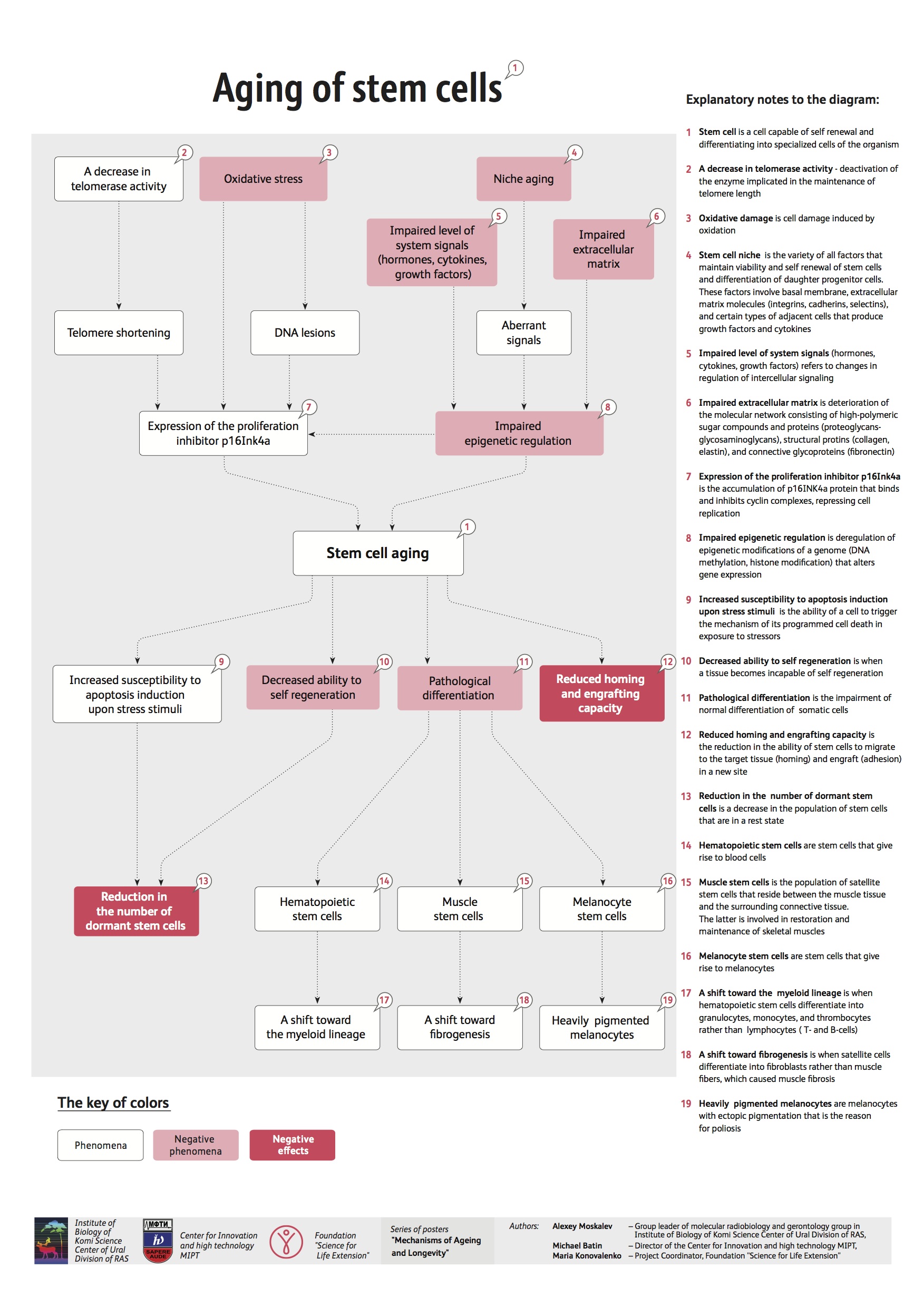
http://www.fightaging.org/images/aging_of_stem_cells.jpg
the problem of Stem Cell Aging is one of the most intrigueing in stem cell biology field.
2/13/2012
Funny Cord Faces

Thanks to medicineisfun
1/12/2012
Stem Cells & Future Medicine (important opinion)
I'd like to share an interesting opinion from Sara Rankin, Professor of Leukocyte and Stem Cell Biology at Imperial College London's Faculty of Medicine, turns the spotlight onto the future impact of stem cell therapy:
Canadian scientists investigating the effects of radiation on the human body 50 years ago discovered that bone marrow 1contains stem cells that provide a lifelong supply of blood cells. This discovery paved the way for the first stem cell therapy – in the form of bone marrow transplants – using bone marrow stem cells from healthy donors to treat patients with genetic blood disorders and leukaemias.
Scientists went on to show that in addition to the bone marrow, almost every tissue in the body, including heart, brain, teeth and gut, contain tissue-specific stem cells. The function of these stem cells is to repair or regenerate tissues that are constantly being damaged as a result of general wear and tear – for example, replacing the lining of the gut as it is being sloughed off or generating new blood cells as they die or are destroyed. Such tissue-specific stem cells are also known as adult stem cells, simply because they are found in adult tissues. These adult stem cells are distinct from embryonic (ES) stem cells that are only found in embryos.
Canadian scientists investigating the effects of radiation on the human body 50 years ago discovered that bone marrow 1contains stem cells that provide a lifelong supply of blood cells. This discovery paved the way for the first stem cell therapy – in the form of bone marrow transplants – using bone marrow stem cells from healthy donors to treat patients with genetic blood disorders and leukaemias.
Scientists went on to show that in addition to the bone marrow, almost every tissue in the body, including heart, brain, teeth and gut, contain tissue-specific stem cells. The function of these stem cells is to repair or regenerate tissues that are constantly being damaged as a result of general wear and tear – for example, replacing the lining of the gut as it is being sloughed off or generating new blood cells as they die or are destroyed. Such tissue-specific stem cells are also known as adult stem cells, simply because they are found in adult tissues. These adult stem cells are distinct from embryonic (ES) stem cells that are only found in embryos.
1/09/2012
The Best Mesenchymal Stem Cell Reviews (part 1)
I'm involved in MSC-research and I love brilliant articles on that topic. The list of my favorite reviews about Mesenchymal Stem Cells is here now:
 Klopp, A., Gupta, A., Spaeth, E., Andreeff, M., & Marini, F. (2011). Concise Review: Dissecting a Discrepancy in the Literature: Do Mesenchymal Stem Cells Support or Suppress Tumor Growth? STEM CELLS, 29 (1), 11-19 DOI: 10.1002/stem.559
KNEE SURGERY, SPORTS TRAUMATOLOGY, ARTHROSCOPY
Volume 17, Number 11, 1289-1297, DOI: 10.1007/s00167-009-0782-4
A Comprehensive Review on Mesenchymal Stem Cell Growth and Senescence Krzysztof Książek. Rejuvenation Research. April 2009, 12(2): 105-116. doi:10.1089/rej.2009.0830.
Kim, S., & de Vellis, J. (2009). Stem cell-based cell therapy in neurological diseases: A review Journal of Neuroscience Research, 87 (10), 2183-2200 DOI: 10.1002/jnr.22054
Stem Cells Trans MedDecember 2011sctm.2011-0024
Concise Review: Clinical Translation of Wound Healing Therapies Based on Mesenchymal Stem Cells
Wesley M. Jackson, Leon J. Nesti, and Rocky S. Tuan
Inflammation and mesenchymal stem cell aging Gunter Lepperdinger
Current Opinion in Immunology Volume 23, Issue 4, August 2011, Pages 518-524
doi:10.1016/j.coi.2011.05.007
Karp, J., & Leng Teo, G. (2009). Mesenchymal Stem Cell Homing: The Devil Is in the Details Cell Stem Cell, 4 (3), 206-216 DOI: 10.1016/j.stem.2009.02.001
To be continued...
Klopp, A., Gupta, A., Spaeth, E., Andreeff, M., & Marini, F. (2011). Concise Review: Dissecting a Discrepancy in the Literature: Do Mesenchymal Stem Cells Support or Suppress Tumor Growth? STEM CELLS, 29 (1), 11-19 DOI: 10.1002/stem.559
KNEE SURGERY, SPORTS TRAUMATOLOGY, ARTHROSCOPY
Volume 17, Number 11, 1289-1297, DOI: 10.1007/s00167-009-0782-4
A Comprehensive Review on Mesenchymal Stem Cell Growth and Senescence Krzysztof Książek. Rejuvenation Research. April 2009, 12(2): 105-116. doi:10.1089/rej.2009.0830.Kim, S., & de Vellis, J. (2009). Stem cell-based cell therapy in neurological diseases: A review Journal of Neuroscience Research, 87 (10), 2183-2200 DOI: 10.1002/jnr.22054
Stem Cells Trans MedDecember 2011sctm.2011-0024
Concise Review: Clinical Translation of Wound Healing Therapies Based on Mesenchymal Stem Cells
Wesley M. Jackson, Leon J. Nesti, and Rocky S. Tuan
Inflammation and mesenchymal stem cell aging Gunter Lepperdinger
Current Opinion in Immunology Volume 23, Issue 4, August 2011, Pages 518-524
doi:10.1016/j.coi.2011.05.007
And the very best:
Karp, J., & Leng Teo, G. (2009). Mesenchymal Stem Cell Homing: The Devil Is in the Details Cell Stem Cell, 4 (3), 206-216 DOI: 10.1016/j.stem.2009.02.001To be continued...
1/06/2012
Stemmy!111 ^_^
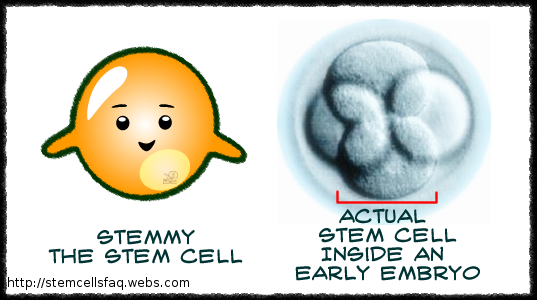
And more about Stemmy:
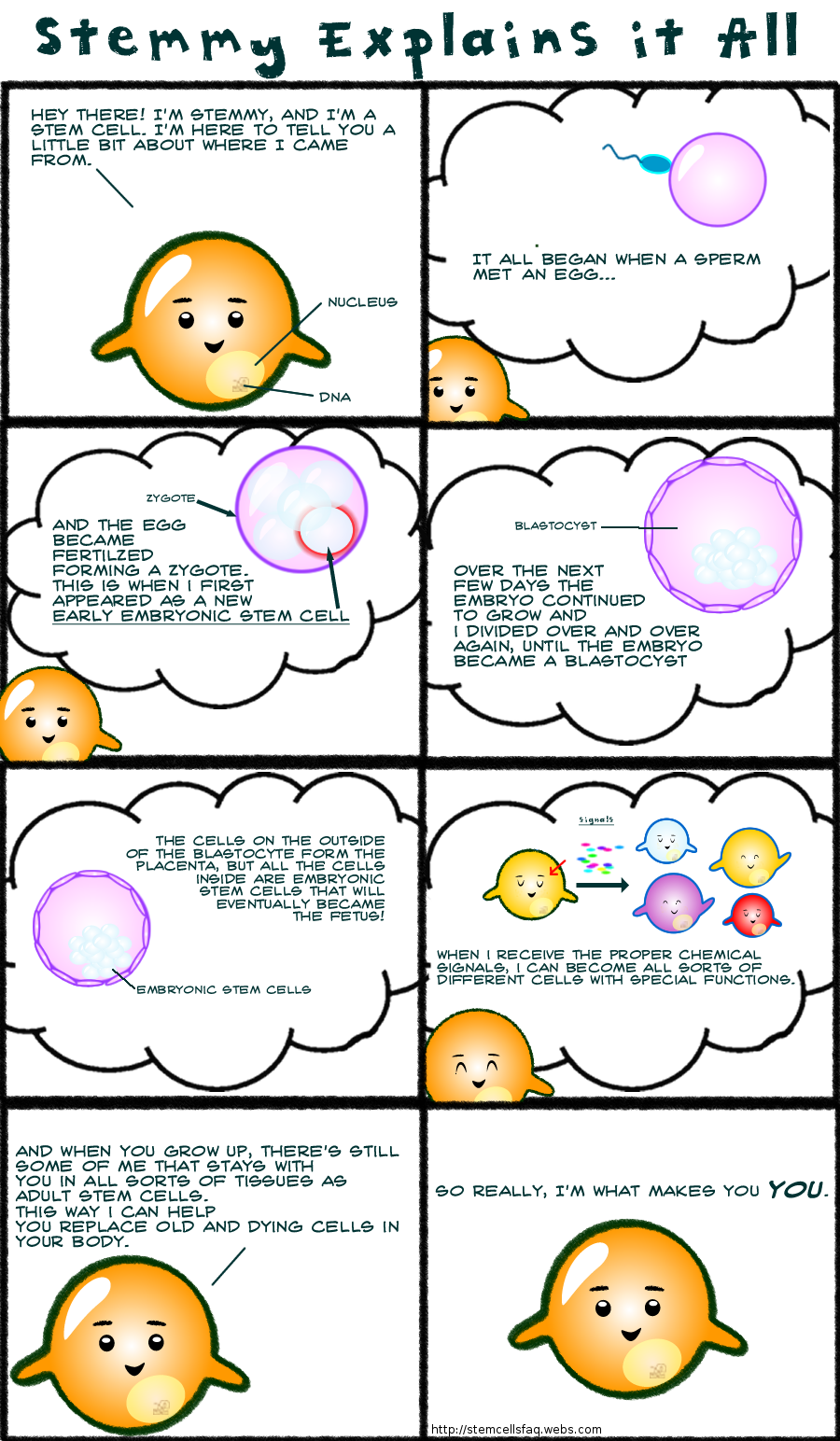
Aaaaaannnnnddddd moooooooreeee:
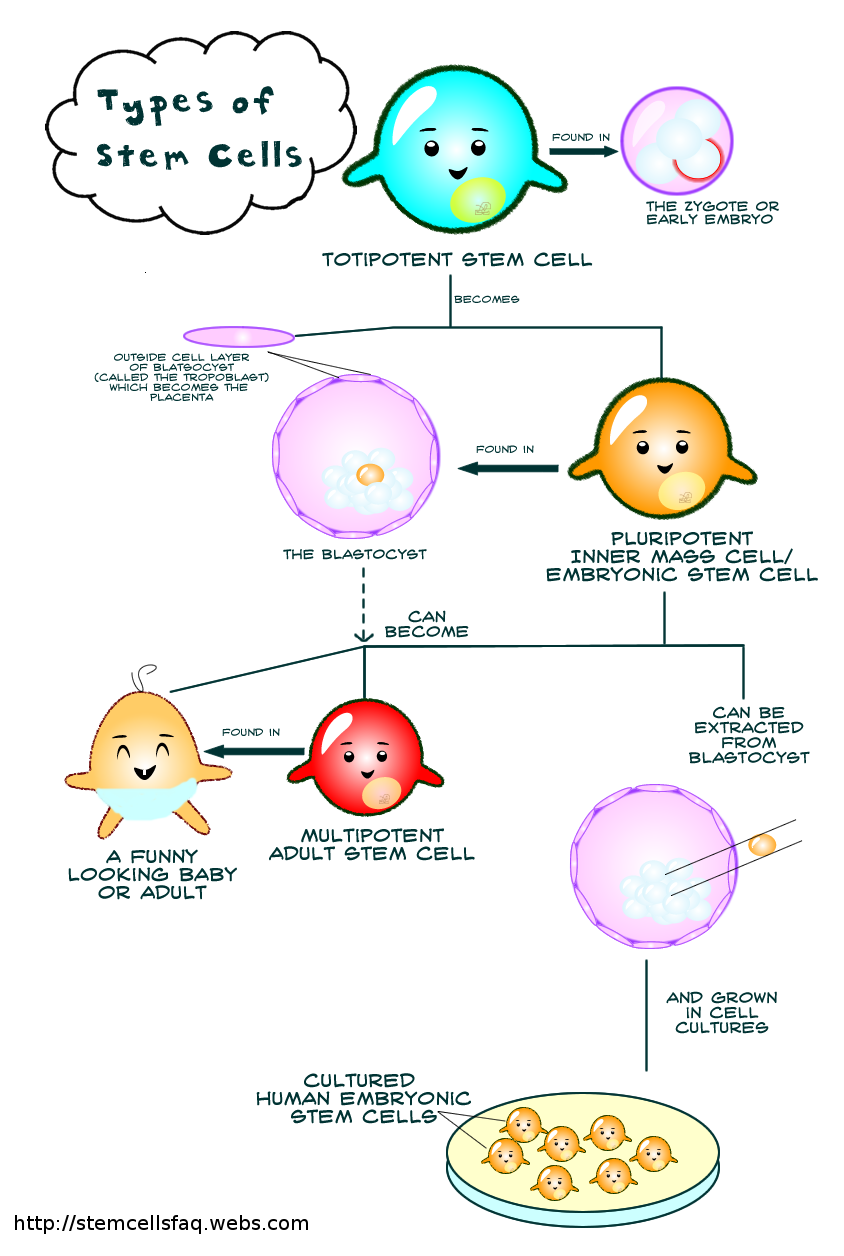
Pictures from http://www.terry.ubc.ca/2009/08/07/faq-stem-cells-sa-mix/, moreover you can find text there.
12/27/2011
Another one doubt...
High-dose chemotherapy and autologous stem cell transplantation (HDC-ASCT), for previously untreated patients with advanced follicular lymphoma (FL) does not improve overall survival compared with conventional-dose chemotherapy alone, according to an online study published December 21 in the Journal of the National Cancer Institute.
Subscribe to:
Posts (Atom)

